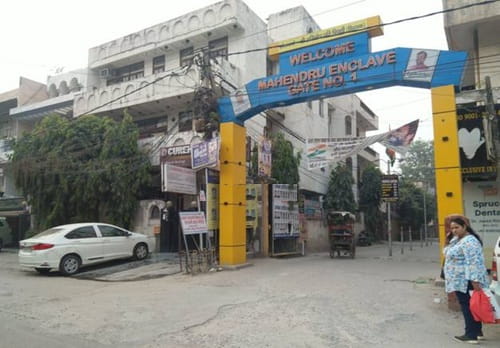
There are addresses in Delhi defined by what they are close to. University Enclave is defined entirely by what it is inside of. Positioned in the North Campus belt of the University of Delhi, hemmed between Kamla Nagar, Vijay Nagar, and Roop Nagar, the locality carries the unmistakable energy of India’s most storied central university. Red-brick buildings visible from residential lanes, students on bicycles at every hour, chai stalls on every corner, the permanent hum of academic life — University Enclave does not simply neighbour DU’s North Campus. It is woven into it.
University Enclave carries PIN code 110007, within North Delhi. Vishwavidyalaya Metro Station on the Yellow Line serves the locality, and the address registers under the broader Civil Lines–North Campus belt administratively. Nearby localities include Roop Nagar, Vijay Nagar, Kamla Nagar, Mukherjee Nagar, Malka Ganj, Kalyan Vihar, Hudson Lane, and Outram Lines. The GT Karnal Road and National Highway 44 pass close to this belt, providing the arterial road network that connects North Delhi outward.

| Quick Overview | Details |
| Location | North Campus, North Delhi |
| PIN Code | 110007 |
| Nearest Metro Station | Vishwavidyalaya (Yellow Line); Vidhan Sabha (Yellow Line) |
| Key Roads | GT Karnal Road, National Highway 44 |
| Nearest Railway Stations | Subzi Mandi Railway Station; Sarai Rohilla (~7 km) |
| Bus Hub | Azadpur Terminal, Mori Gate Bus Terminal |
| Distance to Connaught Place | ~9 km via Yellow Line |
| Distance to NSP | ~9 km |
| Property Rate | ~₹10,300 per sq. ft. |
| Rental Range | ₹11,000 – ₹50,000 per month |
The Locality: Where Academia Shapes Daily Life
University Enclave is compact and dense in a particular way — the kind of density that comes from generations of students, faculty, and support staff occupying the same streets with the same daily rhythm. The North Campus of the University of Delhi houses some of India’s most prestigious colleges within a walkable distance of each other: Hindu College, Hansraj College, Ramjas College, Kirori Mal College, Miranda House, St. Stephen’s College, Lady Shri Ram’s Daulat Ram College, and the Campus Law Centre are all within the enclave’s walking or short-auto radius. Most North Campus colleges sit within the same compact geography, and that concentration is one of University Enclave’s defining physical facts.
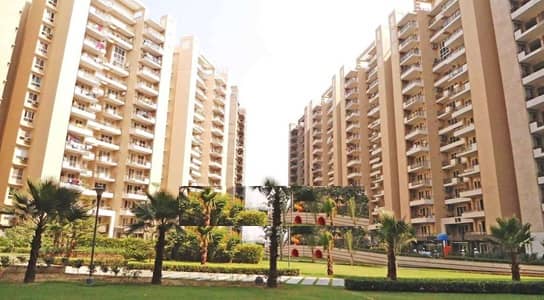
Housing here is a mix of independent floors, builder floors, PG accommodations, and older apartment buildings. The residential stock is not premium by Delhi’s general standards — 500 sq. ft. to 700 sq. ft. 2 BHK flats in RWA complexes, builder floors in Vijay Nagar and Kamla Nagar, and independent houses in Roop Nagar are the dominant typologies. The property market leans toward the affordable-to-mid segment: average sale prices sit at approximately ₹10,300 per sq. ft. — significantly below the Delhi city average, which reflects both the housing typology and the neighbourhood’s student-oriented character rather than any deficiency in location or connectivity.
Residents describe the area as clean, well-maintained, and park-facing in many internal blocks. Safety ratings come in at 4.1 out of 5, consistent with a neighbourhood that has strong community presence, established RWAs, and police patrolling by default given the university’s prominence. The social scene — centred on Kamla Nagar Market (KNags to locals) and Hudson Lane — means the neighbourhood never entirely quiets, which residents who value the energy embrace and those who prefer quieter streets factor into their decision.
Metro Connectivity and Getting Around
Vishwavidyalaya Metro Station on the Yellow Line is the locality’s primary transit anchor — named after the university it serves. The Yellow Line connects southward through GTB Nagar, Kashmere Gate, Delhi Secretariat, Central Secretariat, and all the way to Huda City Centre in Gurugram, giving University Enclave residents direct access to Central Delhi’s employment belt and Gurgaon’s corporate campuses without a transfer. Northward, the line reaches Samaypur Badli through Azadpur and Rohini West.
GTB Nagar Metro Station is one stop north and is the hub most associated with the UPSC coaching cluster — the Mukherjee Nagar belt approximately 2 kilometres from University Enclave where aspirants from across India rent rooms and prepare for civil service examinations. For residents who benefit from proximity to both DU’s academic environment and Mukherjee Nagar’s coaching ecosystem, University Enclave’s positioning is uniquely useful.
Vidhan Sabha Metro Station is also accessible on the same Yellow Line for residents who need the southern section of that corridor. Bus coverage is strong — Azadpur Terminal, Mori Gate Bus Terminal, and multiple DTC stops along GT Karnal Road and the surrounding arterial roads cover most Delhi directions. Subzi Mandi Railway Station serves local suburban rail, and Old Delhi Railway Station — one of Delhi’s major inter-city terminals — is accessible within a short metro or road journey. Sarai Rohilla, the railway station approximately 7 kilometres away, handles several inter-city trains particularly toward western UP and Rajasthan.
Markets, Food, and Neighbourhood Life
Kamla Nagar Market is the commercial and social spine of the University Enclave belt. For students, it is the default destination for everything — affordable clothing, stationery, books, street food, budget restaurants, and the kind of casual evening outing that marks North Campus life. Hudson Lane, a pedestrian-friendly street just off the campus edge, concentrates cafes, food stalls, and restaurants that have fed DU students for decades. The combination of these two commercial strips within walking distance is one of University Enclave’s most consistent residential advantages — daily needs, social life, and food all within 10 to 15 minutes on foot.
Kamla Nagar Market’s proximity also means that Karol Bagh — Delhi’s large-format electronics, clothing, and general retail market — is accessible within 6 kilometres via New Rohtak Road. Connaught Place’s commercial belt is reachable in roughly 9 kilometres via the Yellow Line or road.
Healthcare
WUS Health Centre (University Health Services, University of Delhi) operates within the campus itself, providing primary care for students, faculty, and associated residents. Vinayak Hospital and Hindu Rao Hospital serve the broader North Campus belt for general and secondary care. Sanjivini Nursing Home, Aggarwal Dharmarth Hospital, and Parmarth Mission Hospital are cited for the Roop Nagar sub-locality. Sir Ganga Ram Hospital, one of Delhi’s most respected multispeciality hospitals, is accessible within 10 kilometres via Model Town or the Yellow Line route — confirming that specialist care is reachable without an impractical journey.
Property Market in 2026
University Enclave’s property values reflect its student-dominated rental market and mid-segment housing stock. Average sale prices sit around ₹10,300 per sq. ft., substantially below Delhi’s average, making it one of the more affordable North Delhi residential addresses with Yellow Line metro access. Monthly rents range from ₹11,000 for compact 1 RK units to ₹50,000 for larger furnished floors. PG accommodation — the dominant rental format in the DU belt — runs from ₹7,500 for shared rooms to ₹15,000 to ₹19,000 for single-occupancy furnished rooms. Investor returns here are driven by consistent rental demand from DU’s student and academic population rather than capital appreciation, making it a yield-over-appreciation play rather than a premium price growth story.
Living Here: The Honest Picture
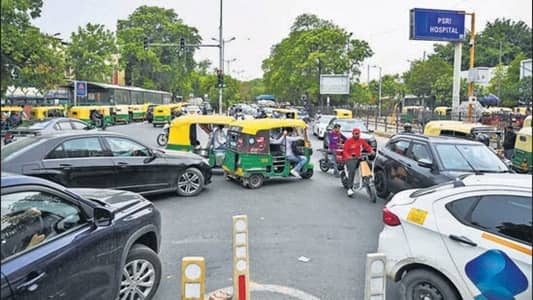
University Enclave is one of Delhi’s most genuinely unique residential addresses — not because it is premium or exceptionally well-planned, but because it is embedded inside a century-old university ecosystem that gives it a social and intellectual vibrancy that money alone cannot build. Vishwavidyalaya Yellow Line metro access, Kamla Nagar and Hudson Lane’s food and retail culture, the compact North Campus geography, and consistent rental demand from DU’s 300,000-plus student enrollment — these combine into a neighbourhood that attracts families, faculty, and long-term Delhi residents who want to live inside one of the city’s most alive pockets. Peak-hour traffic on GT Karnal Road and the market streets is the standard limitation, and the neighbourhood’s general density means parking is a perennial competition.
FAQs
Q1. What is the PIN code of University Enclave, Delhi?
110007. The locality sits in North Delhi’s North Campus belt, near Kamla Nagar, Vijay Nagar, and Roop Nagar.
Q2. Which metro station serves University Enclave?
Vishwavidyalaya Metro Station on the Yellow Line is the primary station, named after the university. Vidhan Sabha Metro Station is also accessible on the same corridor. The Yellow Line connects directly to Connaught Place, Central Secretariat, and Huda City Centre, Gurugram.
Q3. What are property prices and rents in University Enclave?
Average sale prices are approximately ₹10,300 per sq. ft. Monthly rents range from ₹11,000 for 1 RK units to ₹50,000 for larger floors. PG accommodation runs from ₹7,500 for shared rooms to ₹15,000 to ₹19,000 for single-occupancy options.
Q4. Which colleges are within walking distance of University Enclave?
Hindu College, Hansraj College, Ramjas College, Kirori Mal College, Miranda House, St. Stephen’s College, Daulat Ram College, and the Campus Law Centre are all within the North Campus walking radius. Most North Campus DU colleges are within 10 to 15 minutes on foot from the enclave.
Q5. Which hospitals serve University Enclave?
WUS Health Centre operates within the DU campus for primary care. Hindu Rao Hospital and Vinayak Hospital serve the broader belt. Sanjivini Nursing Home and Aggarwal Dharmarth Hospital cover Roop Nagar. Sir Ganga Ram Hospital is accessible within 10 kilometres for specialist care.